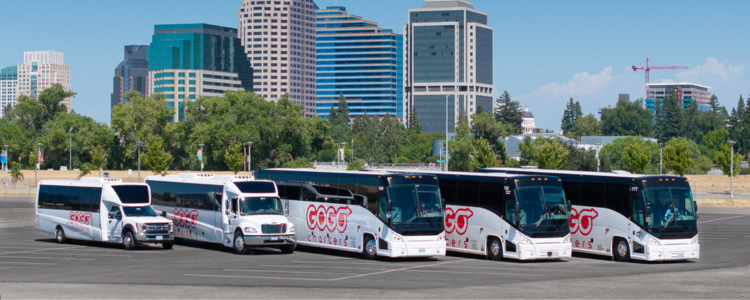
Here are 10 suggestions for selecting the right vehicle and the right capacity for your employee shuttle service:
1. Calculate Employee Transportation Requirements
Review the current workforce and figure out how many employees will use the shuttle on a regular basis. Take into consideration factors like the size and composition of the personnel, the shifts that they work, or the hours when the highest number of users are using the shuttle service. This will help you choose the correct vehicle capacity, and ensure your shuttles are able to accommodate a range of passengers.
2. Choose the Best Vehicle Type
Based on the needs of your shuttle and the number of employees you can choose the right vehicle that will meet your needs. Minibuses are available, as well buses and vans that are larger. Minibuses work well for smaller groups and navigate tighter spaces, while larger buses are suited for large-capacity requirements. The design of the vehicle is essential. It must provide comfortable seating for those who are traveling with equipment or bags.
3. Evaluate Fuel Efficiency
Fuel costs have a major impact on the budget of shuttle services. Prioritise fuel efficient vehicles when selecting vehicles to minimize operating expenses. Hybrid or electric vehicles can be considered too, as they provide long-term savings as well as are in line with sustainability objectives. The analysis of the efficiency of fuel consumption of different models can assist to make an educated decision which balances cost and capacity.
4. Be aware of accessibility features
Ensure that selected vehicles comply with accessibility standards in order to accommodate people with disabilities. This includes features such as elevators for wheelchairs, floors that are lower to make it easier for people with mobility issues to use the vehicle and seating that is specifically designed for people with disabilities. Providing accessible transport not only meets the law but also helps create an inclusive work environment.
5. Plan for Growth, with Flexibility
As companies change and expand the size of their workforces will change as well. If you are selecting vehicles, be aware of the possibility of growth in the future. The flexibility of vehicles with flexible seating configurations or the capability to increase their capacity allow for the company to readily adjust to changes in employee numbers.
6. Research Safety Ratings and other Features
Safety is the top priority when it comes to the transportation of employees. When selecting vehicles, research the safety rating and other features of each vehicle. Consider vehicles equipped with advanced technology like antilock brake and stability control as well as collision avoidance systems. Also, check that all safety standards are met by the vehicle to protect employees during travel.
7. Check for reliability and maintenance
Take into consideration vehicles that are known for their the low cost of maintenance and dependability. A vehicle that frequently requires repairs could disrupt shuttle operations and cause employee discontent. It is important to research the reliability of different vehicles and establish regular maintenance routine. This will help keep them in good condition and can prolong their life.
8. Use GPS as well as Fleet Management Software
Implementing GPS tracking software and fleet management can improve the efficiency of your shuttle service. These programs provide real-time tracking and optimization of routes in accordance with the patterns of traffic and schedules of employees. In addition, software for managing fleets can help track vehicle performance in terms of fuel consumption, as well as maintenance requirements, making sure that vehicles are utilized efficiently.
9. Implement Employee Feedback Mechanisms
Encourage employees to provide feedback on the comfort of their vehicles and capacity via surveys or suggestion boxes. The feedback from employees can help you spot any problems with seating comfort or accessibility. Reviewing feedback from passengers regularly will assist in making the necessary changes in vehicle selection or other services to ensure a pleasant transport experience.
10. Budget for total cost of ownership
When selecting vehicles, consider the total cost of ownership (TCO), which includes the cost of purchase, fuel expenses, maintenance, insurance, and depreciation. TCO assists in making informed choices that balance long-term costs as well as initial investments. You can make informed decisions by considering all costs associated. This will help you choose a vehicle which meets your financial requirements while ensuring reliability and capacity.
These suggestions will help you choose the ideal vehicle for the employee shuttle service and also manage the capacity. It will allow you to offer a comfortable, safe and efficient service. Have a look at the top article source about employee transportation for more info including airport bus shuttle, airport transportation, san airport shuttle, shuttle bus service, airport transportation services, airport pick up service, shuttle transportation to airport, ground transportation from miami airport, shuttles near me, shuttle bus and more.
10 Tips For The Route Planning And Efficiency Of A Corporate Event Transportation Service
Here are ten top strategies to help you plan the route you want to take and increase the efficiency of corporate event transportation:
1. Analyze the Locations of Attendees
Start by collecting information about the locations that attendees will be arriving from. Forms for registration and RSVPs that contain address information or general information about the location can help you do this. It's important to understand the geographical spread of attendees to help you create efficient routes and cut down on the amount of travel time.
2. Utilize Route Optimization Software
Invest in software that analyzes traffic patterns as well as road conditions and other factors. This will help you identify the most efficient route. These programs will assist you to determine the most efficient routes, eliminate congestion areas, and suggest alternate routes if necessary. Technology can be used to boost efficiency.
3. Make a plan for Peak Traffic Times
Make plans for transportation based on most traffic-heavy times. Analyze historic traffic data to determine areas of congestion near the venue. Adjust shuttle scheduling to avoid delays. Attendees will be on time, without having to wait around.
4. Establish Multiple Pickup Points
Establish multiple pick-up points depending on the location of participants. This can improve convenience and reduce travel times. These could be hotels, transport hubs or popular places for gathering. You can simplify the transportation process by providing numerous pick-up points. This can also cut down the distance from the venue.
5. Create a Detailed Transportation Schedule
Develop a detailed transportation schedule that outlines departure and arrival times, as well as estimated travel times for each route. Distribute to attendees the schedule so that they know when to expect their busses. It is important to have an organized schedule to ensure that the transportation service runs smoothly and reduces confusion.
6. Incorporate Buffer Times
Include buffer times into your schedule for transportation to account unexpected delays, such as traffic congestion and weather conditions. By extending the pickup and dropoff times you will reduce the chance that your attendees will miss important events due to transportation issues.
7. Monitor Traffic in Real-Time
Utilize tools for real-time traffic the day before the event to allow for dynamic adjustments. The ability to change the route of shuttles if a route is busy can help ensure that attendees reach their destination in time.
8. Name the name of a Transportation coordinator
Appoint a transportation coordinator, who will be responsible for managing the shuttle services during the event. The coordinator is able to oversee the logistics, interact directly with drivers, and address any issues that might arise. The presence of a designated point person can ensure that the transport operation is effective and runs smoothly.
9. Communicate with Attendees
Inform attendees about the schedule of shuttles and pickup locations, and any possible changes. Better communication can be achieved by using mobile apps as well as printed materials and SMS updates.
10. Receive feedback after the event
Following the event, you can solicit feedback from the attendees about their experience with transportation. You can ask attendees questions about the quality of the shuttles and routes. Also, ask them about their general satisfaction. The feedback you receive will help you determine the strengths and weaknesses of the transportation plan.
With these suggestions Companies can plan their routes more efficiently and increase the effectiveness of transportation services. A well-planned route can not only ensure that guests arrive on time, but help to make the event successful. Transportation planning is vital to the success of corporate events. Follow the recommended read full report on corporate event transportation for website examples including vehicle for transportation, managed logistics, best transport, globe transport, vehicle for transportation, it's logistics, us transport, specialized transportation inc, global transport, transportation services and more.